
en

 English
Home / News / Industry News / OEM Customization and Stable Supply Position 1500W–2000W Electric Scooters for Global Distribution
OEM Customization and Stable Supply Position 1500W–2000W Electric Scooters for Global Distribution
1500W–2000W Electric Scooters Emerge as Practical Choice for Urban and Commercial Mobility
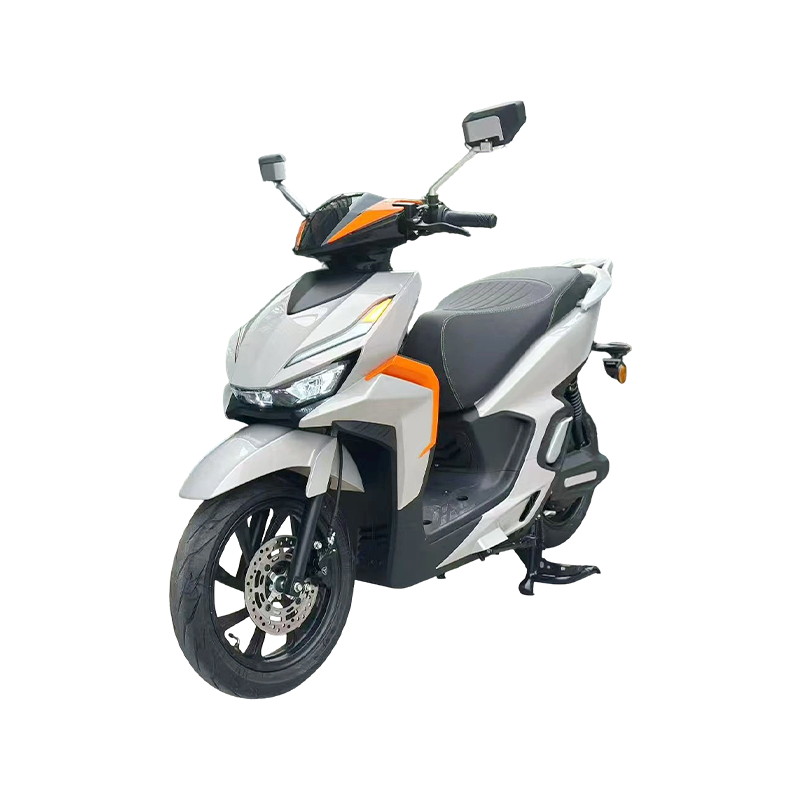
Electric scooters have become an established part of the urban transportation landscape, and within this evolving market, the 1500W–2000W power segment is attracting growing attention. Designed for urban commuting, short-distance transportation, and commercial mobility applications, these models offer a step up in performance compared to entry-level scooters while retaining the convenience and cost efficiency that define the category.
Market Overview: Sustained Growth Across Global Markets
The global electric scooter market continues to show solid growth. According to Coherent Market Insights, the market was valued at approximately USD 29.83 billion in 2026 and is projected to reach USD 56.30 billion by 2033, growing at a compound annual growth rate of 9.5%. This expansion is driven by urbanization, environmental regulations, and the growing need for efficient last-mile transportation solutions in congested cities.
Fact.MR identifies India as the fastest-expanding national market, with an estimated compound annual growth rate of 14.5%, reflecting rapid urbanization and increasing demand for affordable personal mobility in densely populated cities. Shared mobility operators have accumulated over 8 billion rides globally as of May 2026, according to Dataintelo, underscoring the scale at which electric scooters have been integrated into urban transport systems.
The 1500W–2000W Power Segment: Performance and Practicality
The 1500W–2000W range occupies a meaningful position in the electric scooter market, bridging the gap between lower-powered commuter models and high-performance off-road variants. According to industry analysis from Alibaba Seller Central, scooters with 1000W and higher motor configurations target a distinct customer profile that includes heavier riders, users in hilly or challenging terrain, and commercial operators requiring consistent power output throughout the workday. While this segment represents a smaller share of total volume compared to entry-level models, it commands higher average selling prices and attracts buyers with specific performance requirements.
For urban commuters, 1500W–2000W motors provide sufficient torque for smooth acceleration in traffic and the ability to maintain speed on inclines, which can be a limitation for lower-powered models. For commercial users, the extra power translates to better load-carrying capability and more consistent performance when the vehicle is used repeatedly throughout the day.
Battery and Motor Technology: The Core of Reliable Performance
Two technology areas define the riding experience and operational reliability of 1500W–2000W electric scooters: battery systems and motor design.
Lithium-ion batteries have become the dominant configuration in the market. Fact.MR reports that lithium-ion batteries held an estimated 82.4% share of the electric scooter battery category in 2026, reflecting their favorable combination of energy density, cycle life, and weight savings compared to lead-acid alternatives. High-capacity lithium battery packs in the 1500W–2000W segment typically enable riding ranges that cover daily commuting and commercial route requirements on a single charge, with many models offering removable battery designs for convenient charging in office or depot environments.
Battery Management Systems (BMS) have become a standard feature in quality models, monitoring cell voltage, temperature, and current to ensure balanced charging and protect against overcharging or deep discharge. This technology underpins safety certifications such as UL 2272, which has become an important benchmark for reputable electric scooter models in international markets.
On the motor side, brushless hub motors have become the industry standard. Fact.MR notes that hub motors accounted for approximately 70.3% of the electric scooter drive type segment in 2026. PW Consulting estimates that brushed DC motors now hold only about 16.3% of the market, as buyers increasingly prioritize the efficiency, quieter operation, and lower maintenance requirements of brushless designs. Advanced motor controllers use software algorithms to deliver precise torque control, resulting in smoother acceleration, improved hill-climbing capability, and reduced jerkiness when starting from a standstill.
Regenerative braking systems have also become more sophisticated, intelligently adjusting braking force based on speed and battery state to recapture energy and extend range while reducing wear on physical brake components.
Urban Commuting and Commercial Mobility Applications
1500W–2000W electric scooters serve two primary use cases: personal urban commuting and commercial mobility operations.
For personal commuters, these models offer a practical middle ground — enough power for confident riding in urban traffic, including on roads with moderate inclines, while remaining compact and cost-effective to operate. Zero-emission operation and low running costs make them an attractive option for daily transportation in cities where congestion and parking are ongoing challenges.
For commercial applications, the segment is gaining traction in last-mile delivery, urban transportation services, rental fleets, and maintenance or utility operations. Commercial electric two-wheelers purpose-built for delivery and fleet operations are increasingly entering markets worldwide. Industry reports highlight models equipped with 1500W brushless DC hub motors and removable lithium-ion battery packs capable of delivering ranges of approximately 120 kilometers per charge, designed to meet the demands of daily commercial logistics.
The economics of electric scooter deployment for commercial use are favorable: lower operating costs compared to gasoline vehicles, reduced maintenance requirements, and the ability to maneuver through congested urban areas to shorten delivery times. For ride-hailing and rental services, the quiet operation of electric scooters also contributes to reduced noise pollution in urban environments.
B2B Supply: OEM Customization and Market Adaptation
For distributors, dealers, and mobility operators looking for practical electric transportation solutions, the ability to source 1500W–2000W models that match local market requirements is a key consideration. Manufacturers offering OEM customization — including color options, design modifications, and specification adjustments — enable business customers to tailor products to regional preferences, regulatory environments, and brand identity.
Different markets have varying expectations for electric scooter specifications. Some regions prioritize maximum range and load capacity for commercial use, while others emphasize portability and weight for personal commuting. The ability to adjust motor output, battery capacity, frame design, and feature sets allows distributors to serve these diverse needs effectively.
Stable production capacity and reliable quality control are important factors for international business customers, particularly those operating commercial fleets where vehicle uptime directly affects revenue. Wholesale supply arrangements with full-container delivery support help distributors manage inventory costs and maintain consistent product availability for their customers.
Previous Post
No previous article
Next Post
Power Meets Comfort: How Mid-Displacement Maxi Scooters Are Redefining Long-Distance Riding
Related products
Copyright © TAIZHOU XINGCHENG TECHNOLOGY CO.,LTD. All Rights Reserved
